
Expert Insights: Overcoming Common Challenges in Dubai Agriculture


Understanding the Unique Challenges
Dubai's agriculture sector faces distinct challenges due to its arid climate and limited arable land. The region's harsh conditions require innovative solutions to ensure sustainable food production. One of the primary obstacles is water scarcity, which necessitates the efficient use of available resources. Understanding these unique challenges is essential for developing effective strategies.
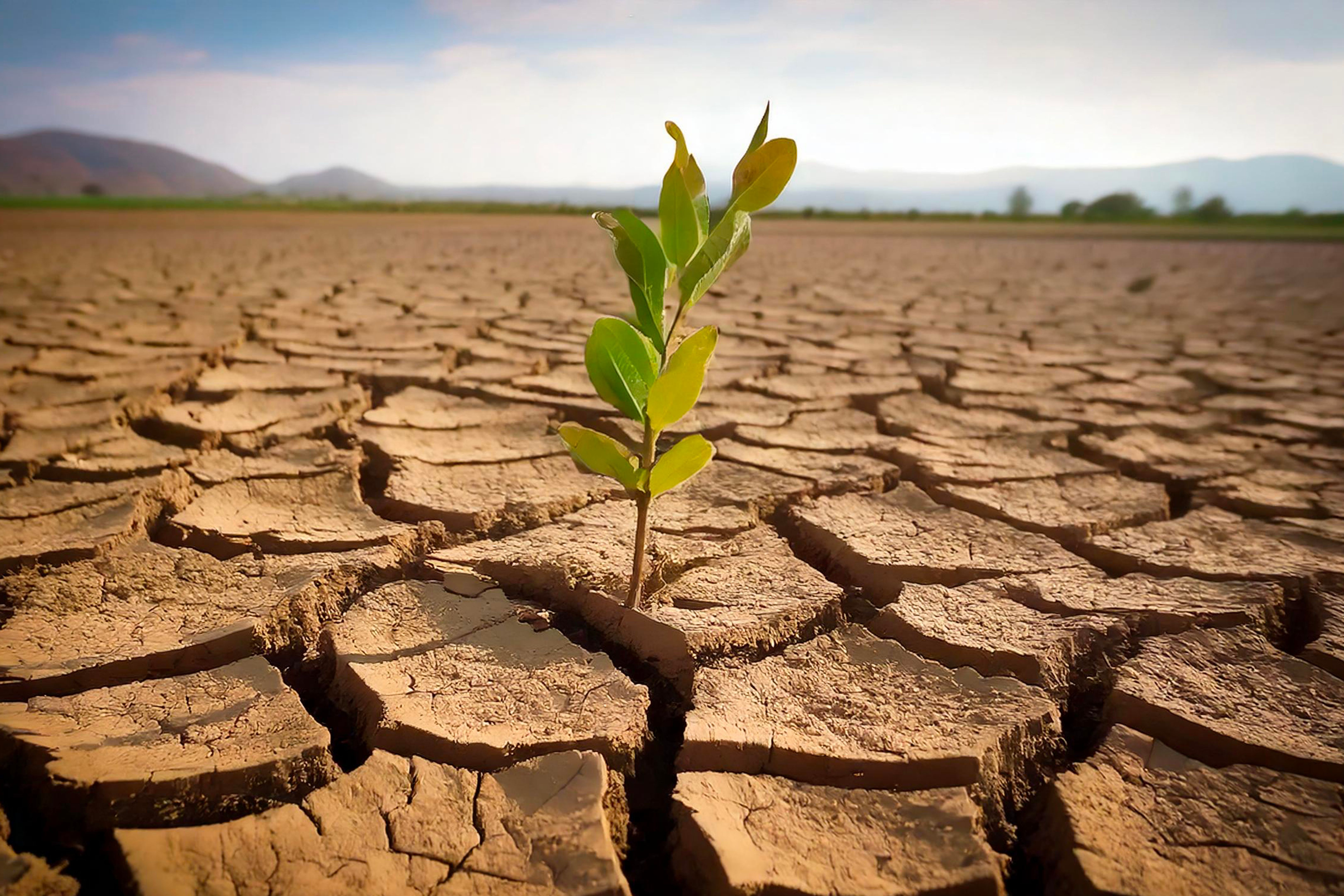
Another significant challenge is soil salinity, which affects plant growth and crop yields. The high salt content in the soil can lead to reduced agricultural productivity, making it crucial to implement soil management practices that can mitigate these effects. Addressing these challenges is vital for the long-term sustainability of agriculture in Dubai.
Innovative Solutions and Technologies
Hydroponics and Vertical Farming
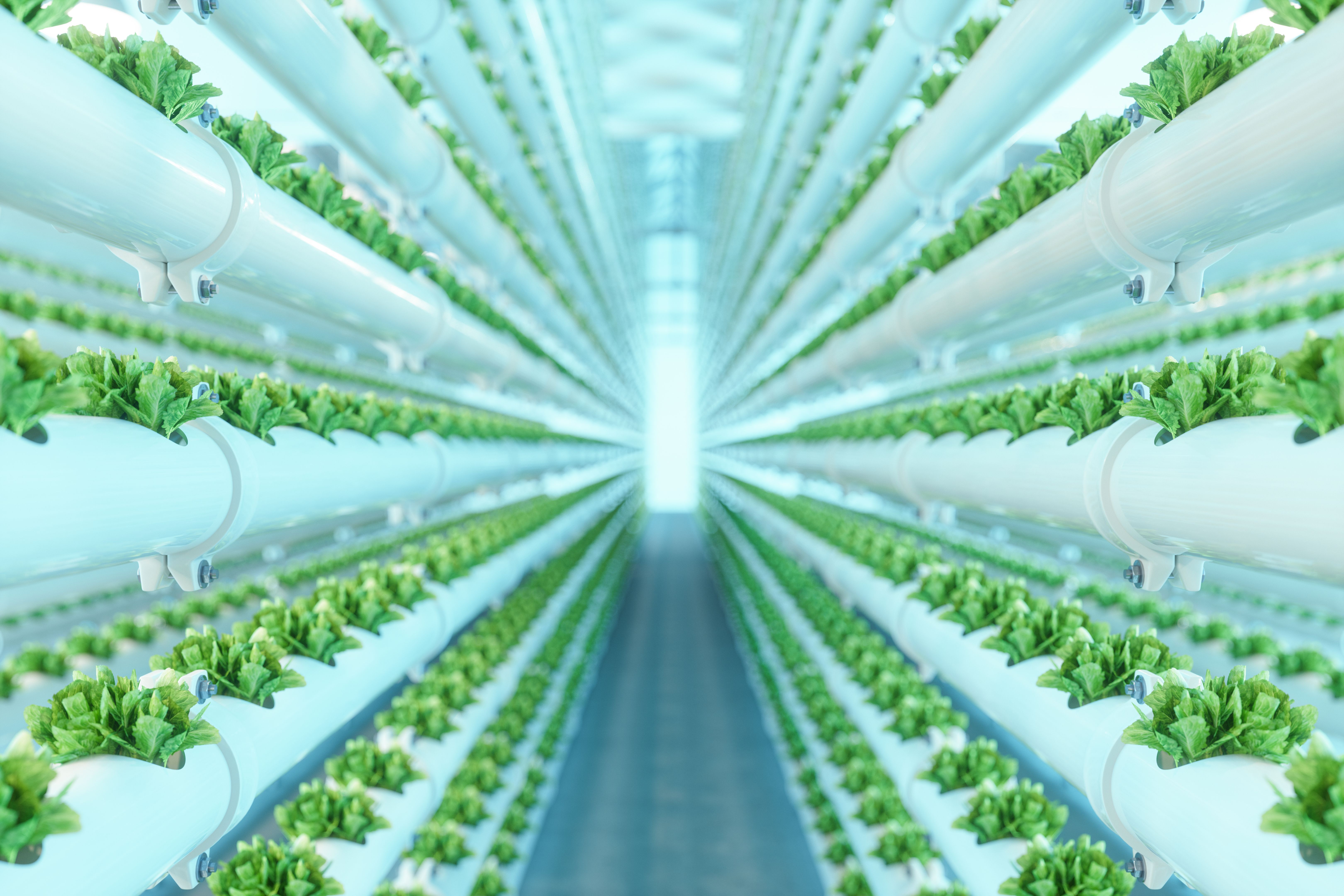
To overcome the limitations of traditional farming, Dubai has embraced innovative agricultural technologies such as hydroponics and vertical farming. These methods allow for the cultivation of crops in controlled environments, reducing the reliance on soil and water. By optimizing resource use, these techniques contribute to increased productivity and sustainability.
Desalination and Efficient Water Management
With water scarcity being a critical concern, desalination and efficient water management systems are essential. Desalination provides a viable solution by converting seawater into fresh water, supporting agricultural needs. Additionally, implementing advanced irrigation techniques, such as drip irrigation, helps conserve water and improve crop yields.
Government Initiatives and Support
The government of Dubai plays a pivotal role in supporting the agriculture sector. Several initiatives have been launched to promote sustainable farming practices and encourage investment in agricultural technologies. These efforts are aimed at enhancing food security and reducing the region's dependency on food imports.
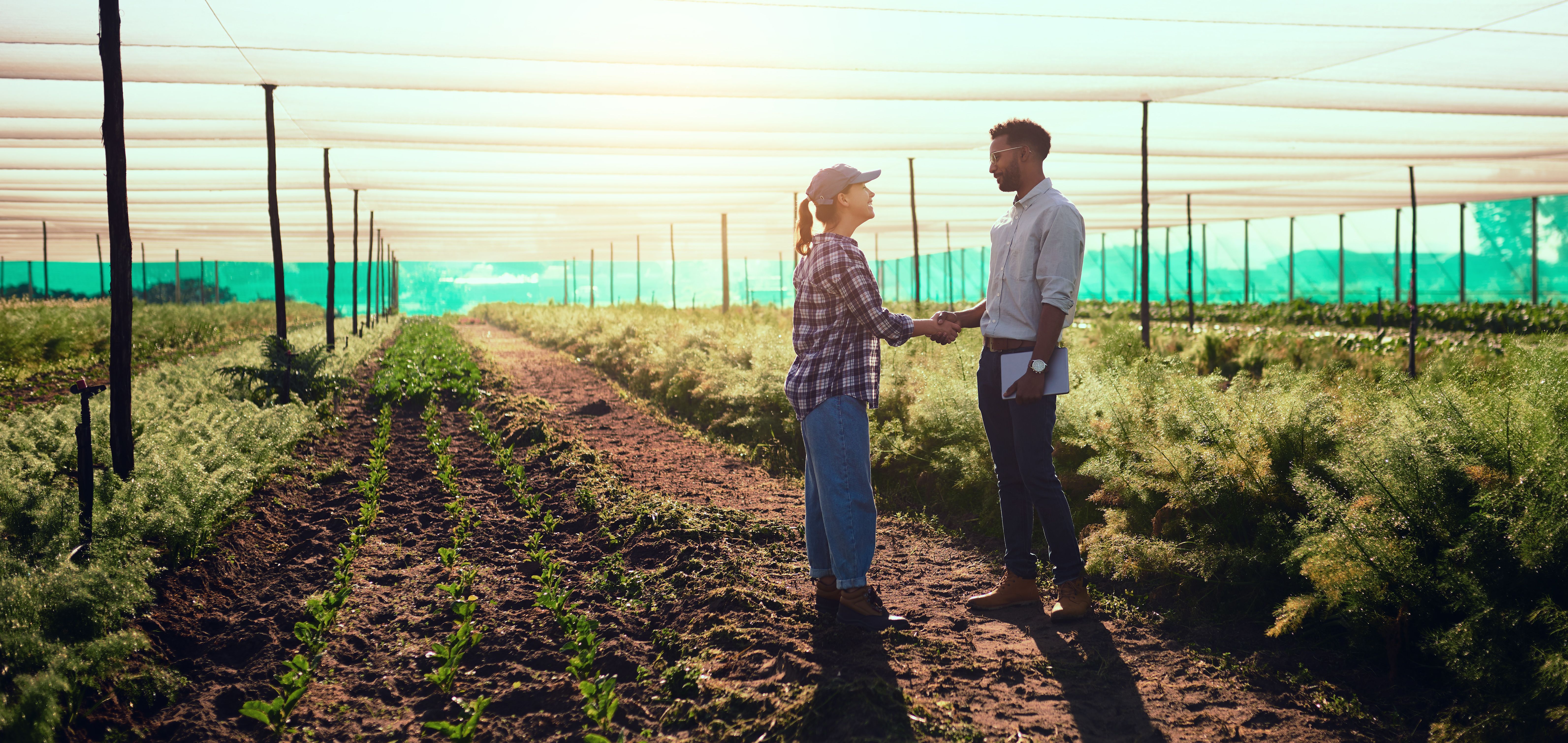
Collaboration between government bodies and private sectors also fosters innovation and development. By offering incentives and creating a conducive environment for research and development, Dubai is positioning itself as a leader in sustainable agriculture.
The Role of Education and Training
Education and training are crucial components in overcoming agricultural challenges. By equipping farmers with the knowledge and skills to adopt modern techniques, the sector can achieve greater efficiency and sustainability. Training programs focus on best practices in water management, pest control, and crop selection, empowering farmers to make informed decisions.
Research and Development
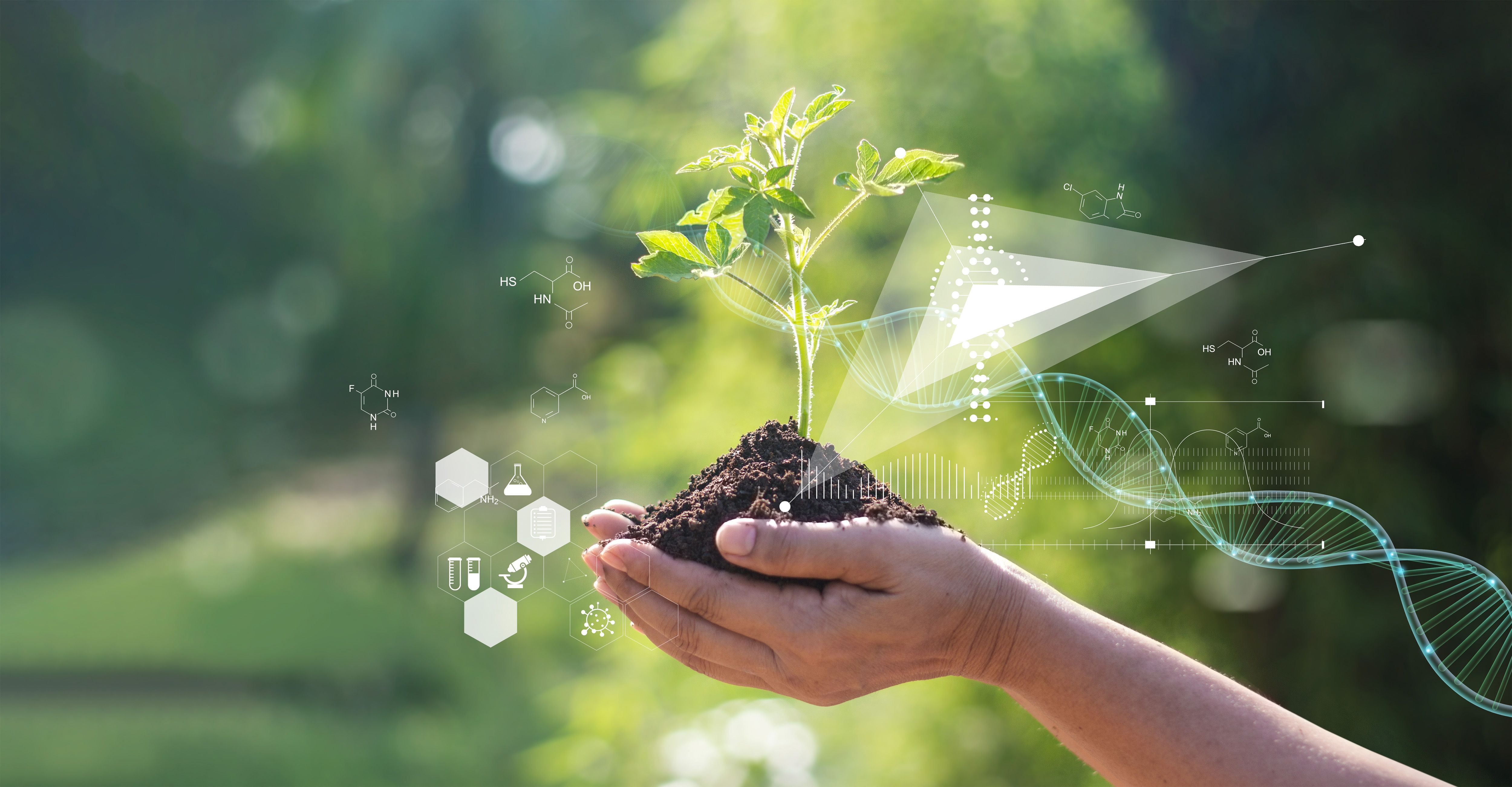
Research and development (R&D) play a critical role in advancing agricultural practices. By investing in R&D, Dubai can explore new methods and technologies that address specific challenges faced by the sector. This continuous pursuit of innovation ensures that agriculture in Dubai remains resilient and adaptable to changing conditions.
Conclusion
Overcoming challenges in Dubai's agriculture sector requires a multifaceted approach that combines technology, government support, and education. By leveraging innovative solutions and fostering collaboration, Dubai can ensure a sustainable future for its agriculture industry. The continued focus on research and education will empower the sector to thrive despite the inherent challenges of the region.