
How to Improve Agricultural Input Efficiency in the UAE: Expert Tips and Techniques


Understanding Agricultural Input Efficiency
Improving agricultural input efficiency is crucial for sustainable farming, especially in arid regions like the UAE. Efficient use of resources such as water, fertilizers, and seeds can lead to higher yields and reduced costs. By adopting modern techniques and technologies, farmers can optimize the use of these inputs, enhancing productivity while minimizing environmental impact.

Precision Agriculture Techniques
Precision agriculture involves using technology to monitor and manage field variations in crops. Tools such as GPS-guided equipment, drones, and satellite imagery help farmers apply inputs more accurately. This ensures that resources are used only where needed, reducing waste and increasing efficiency. Implementing precision agriculture can significantly enhance crop output while conserving essential resources.
Efficient Water Management
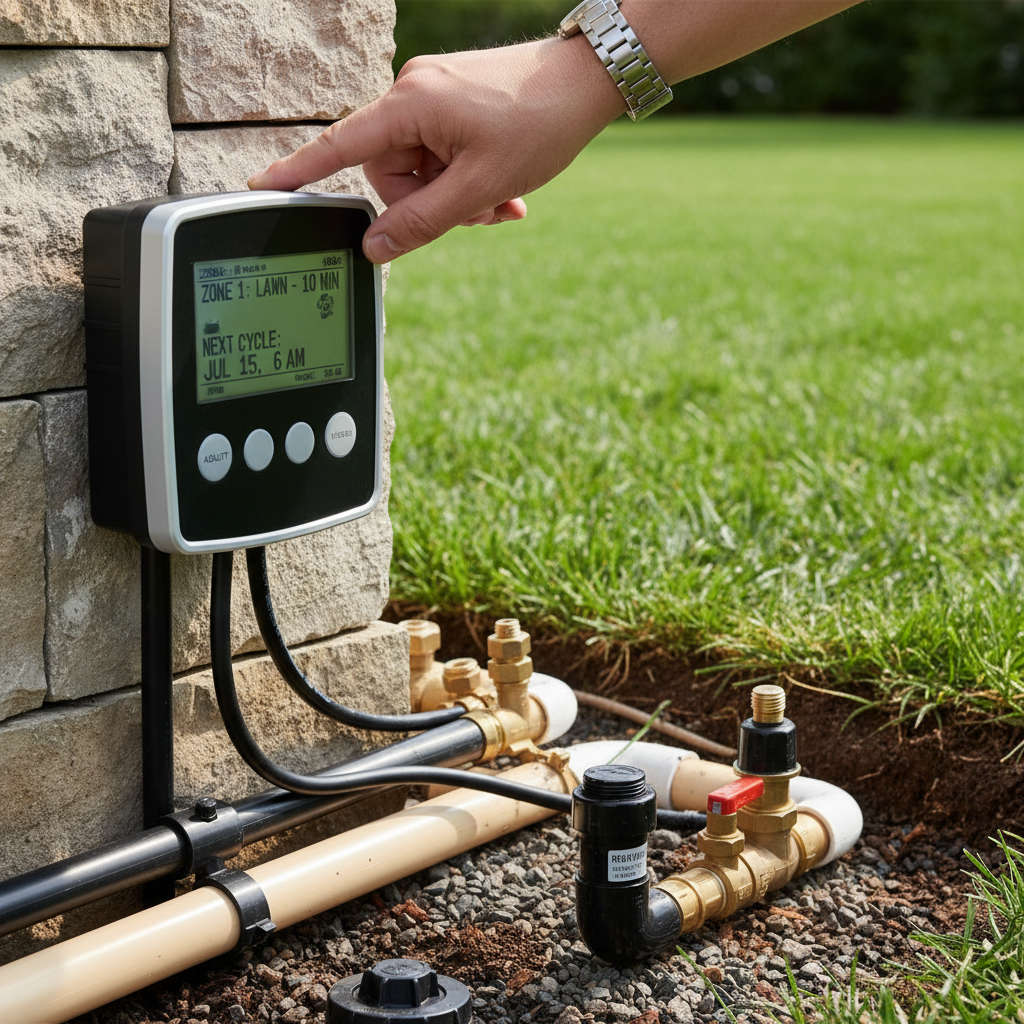
Water scarcity is a major challenge in the UAE, making efficient water management a priority. Techniques such as drip irrigation and soil moisture sensors help optimize water usage. Drip irrigation delivers water directly to the plant roots, minimizing evaporation losses. Soil moisture sensors provide real-time data, allowing farmers to irrigate only when necessary, thus conserving water.
Optimizing Fertilizer Use
Overuse of fertilizers can lead to soil degradation and environmental harm. To optimize fertilizer use, farmers should conduct soil tests to determine nutrient needs. This allows for precise application, ensuring that plants receive the right nutrients in the right amounts. Using organic fertilizers and adopting integrated nutrient management strategies can also improve soil health and productivity.
Adopting Sustainable Practices
Sustainable agricultural practices not only improve input efficiency but also promote environmental health. Crop rotation, cover cropping, and reduced tillage are effective methods to maintain soil fertility and structure. These practices help in reducing dependency on chemical inputs and promote a balanced ecosystem.
Leveraging Technology and Innovation
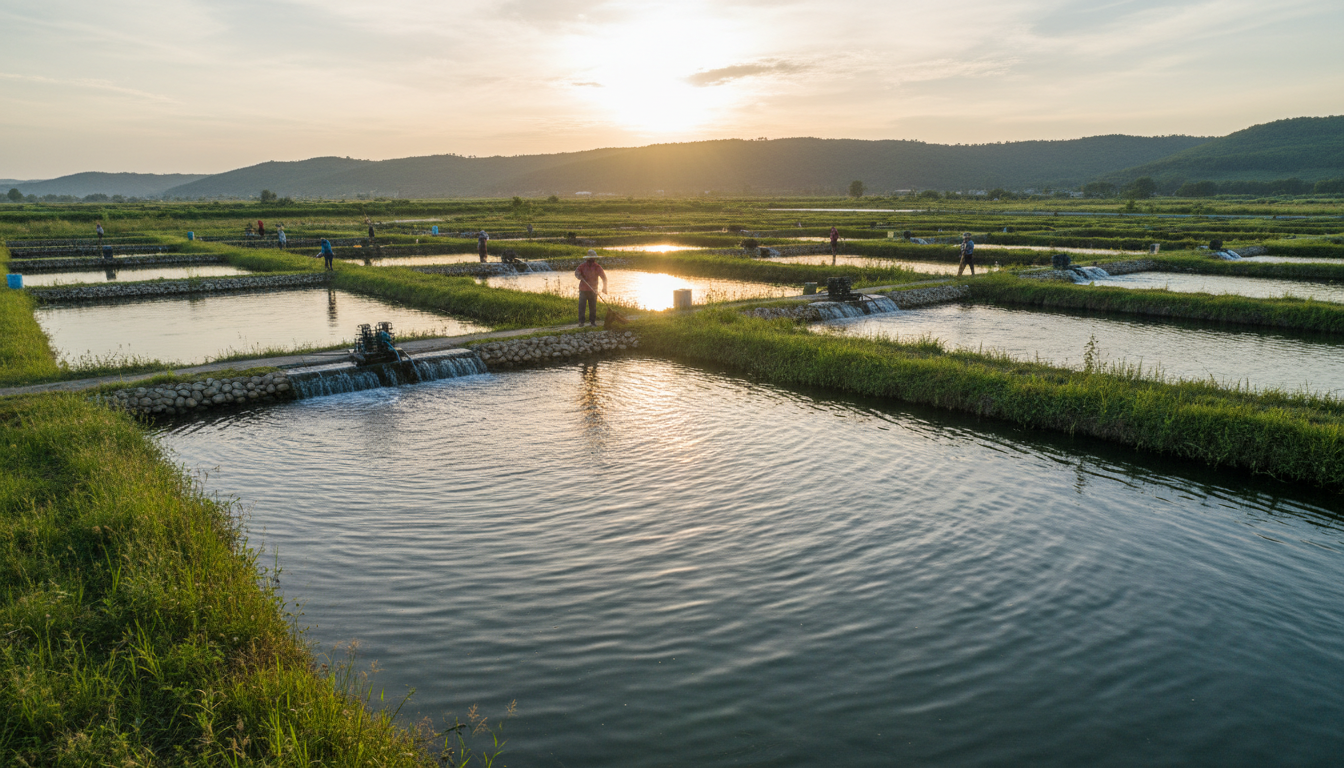
Innovation plays a key role in enhancing agricultural input efficiency. The use of Internet of Things (IoT) devices, mobile apps, and data analytics provides farmers with valuable insights into crop performance and input usage. These tools enable informed decision-making, helping farmers to apply inputs more efficiently and effectively.
Training and Education
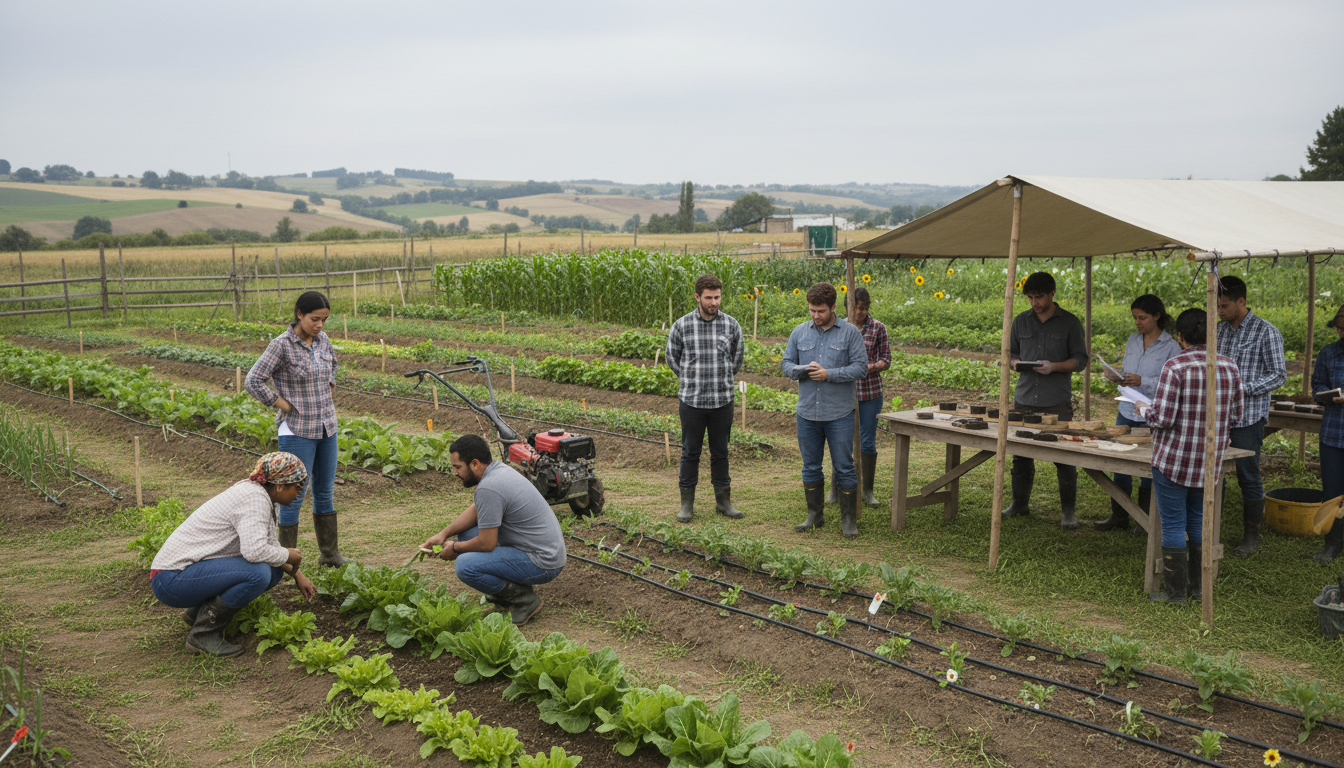
Continuous training and education are essential for farmers to stay updated with the latest techniques and technologies. Workshops, seminars, and online courses can provide valuable knowledge on improving input efficiency. By learning from experts and sharing best practices, farmers can adopt more efficient methods in their agricultural operations.
Conclusion
Improving agricultural input efficiency in the UAE is vital for sustainable farming and food security. By embracing precision agriculture, efficient water management, optimized fertilizer use, and sustainable practices, farmers can achieve higher productivity with fewer resources. Leveraging technology and continuous education will further enhance these efforts, ensuring a prosperous and sustainable agricultural future in the region.