
Strategies for Regenerative Agriculture in the Middle East: A Comprehensive Guide


Understanding Regenerative Agriculture
Regenerative agriculture is a holistic approach to farming that focuses on restoring and enhancing the ecosystem. Unlike conventional methods, it emphasizes soil health, water management, and biodiversity. In the Middle East, where arid conditions prevail, adopting regenerative practices can be transformative for sustainable agriculture.
Soil Health and Management
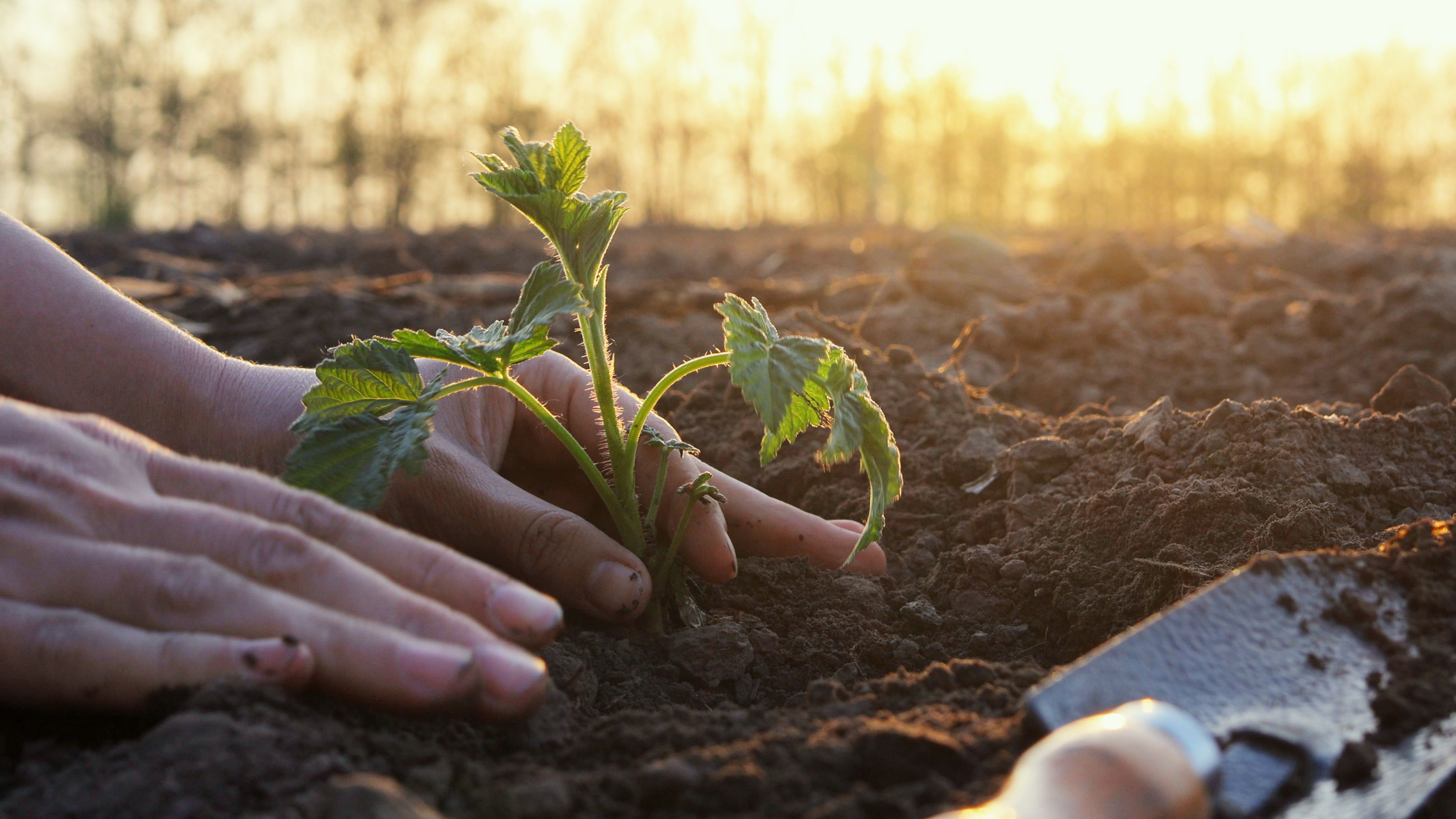
One of the primary strategies in regenerative agriculture is improving soil health. This involves practices such as cover cropping, crop rotation, and reduced tillage. These methods help in maintaining soil structure, enhancing nutrient content, and increasing water retention. In the Middle East, where soil degradation is a concern, focusing on soil health can lead to more resilient farming systems.
Cover Cropping
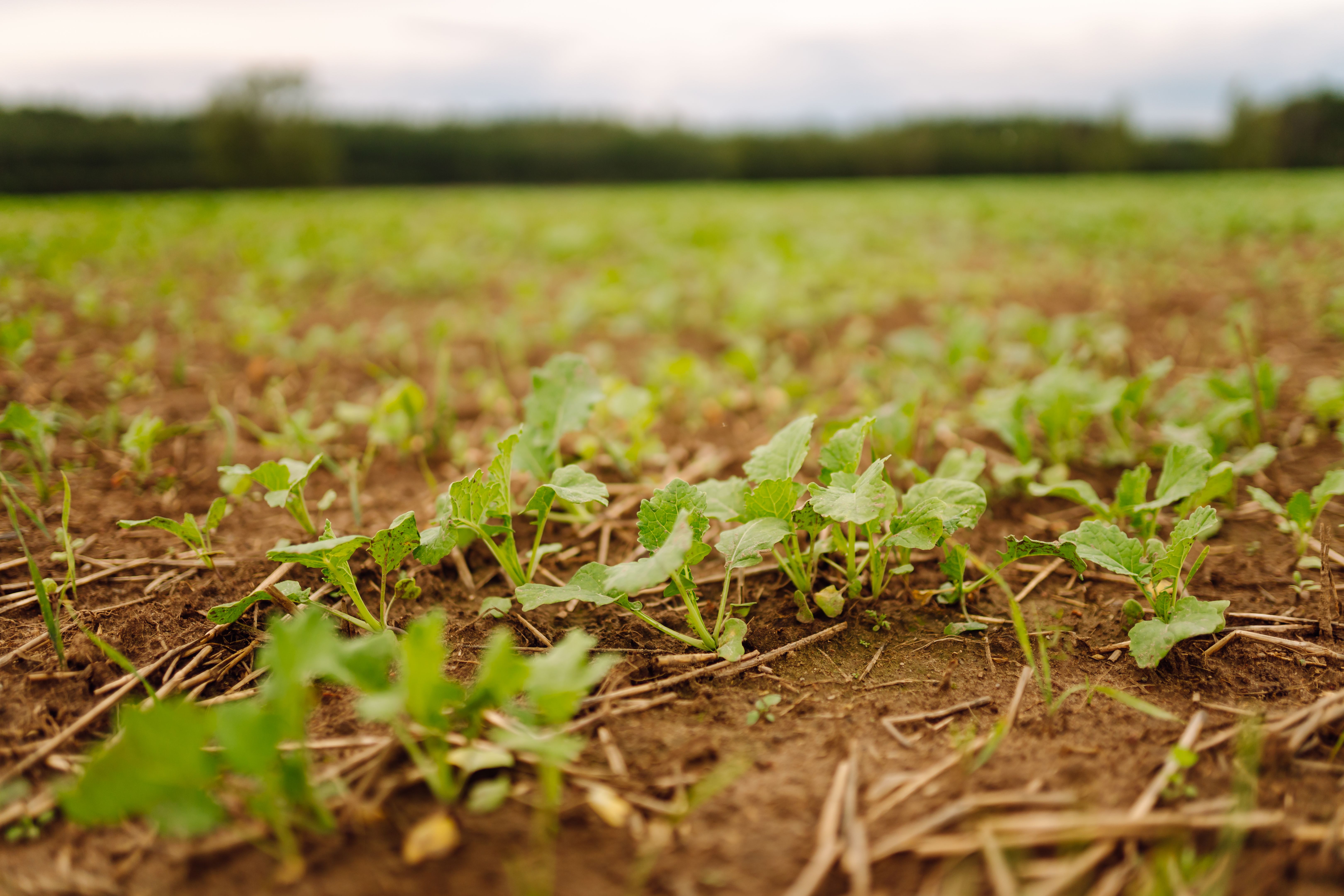
Cover crops are planted to cover the soil, rather than for the purpose of being harvested. They play a crucial role in preventing erosion, improving soil fertility, and increasing biodiversity. Legumes, for example, can fix nitrogen in the soil, providing essential nutrients for subsequent crops.
Water Management Techniques
Water scarcity is a significant challenge in the Middle East, making efficient water management vital. Techniques such as rainwater harvesting, drip irrigation, and the use of drought-resistant crops are essential components of regenerative agriculture. These methods not only conserve water but also ensure its optimal use, contributing to sustainable farming practices.
Drip Irrigation
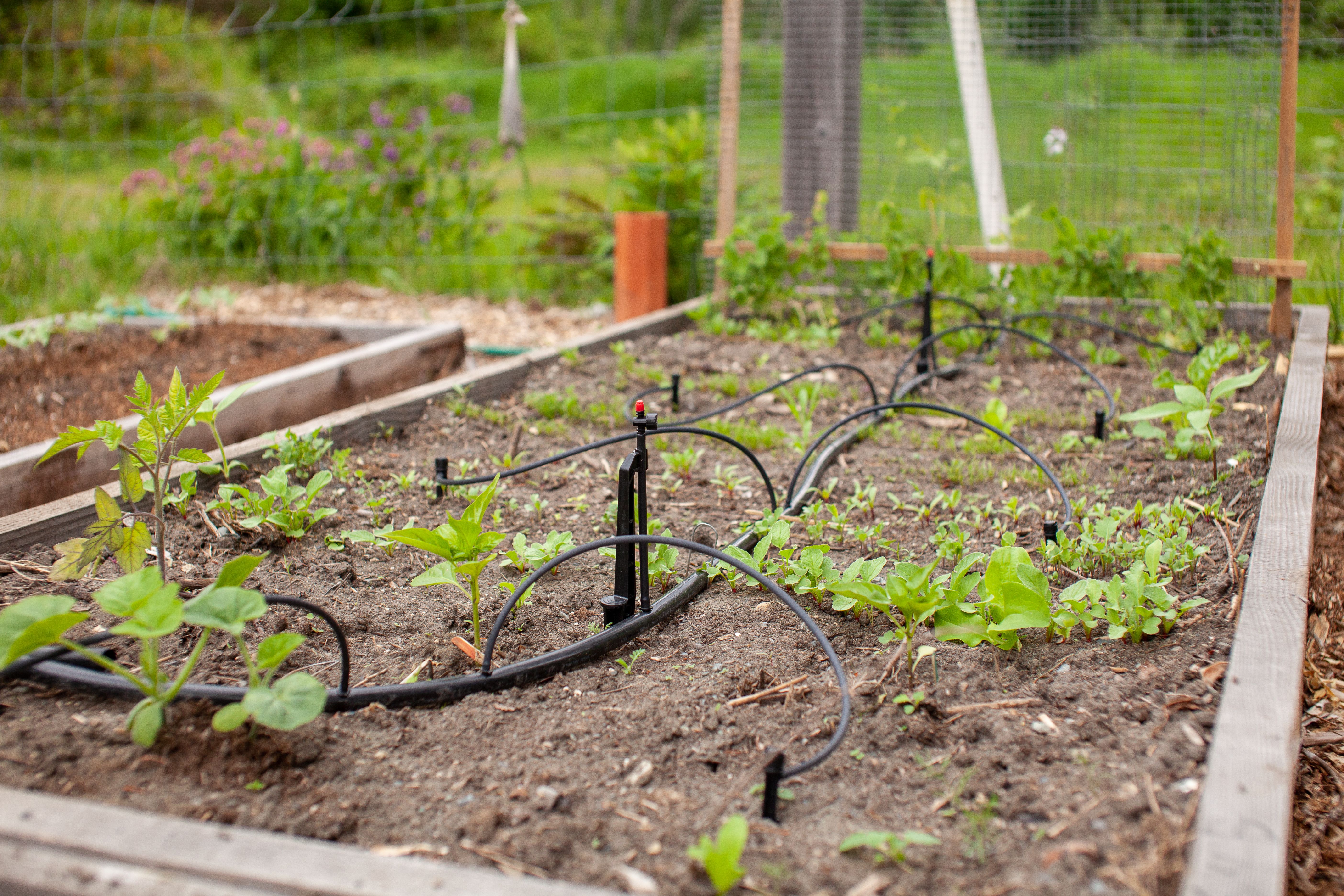
Drip irrigation is a highly efficient watering system that delivers water directly to the plant roots. This method reduces water waste and enhances crop yields, making it ideal for arid regions. Implementing such technology can significantly improve water use efficiency in the Middle East.
Biodiversity and Ecosystem Enhancement
Enhancing biodiversity is a cornerstone of regenerative agriculture. This involves integrating a variety of plant and animal species into farming systems to create a balanced ecosystem. Practices like agroforestry, polycultures, and habitat restoration can increase resilience against pests and diseases while promoting ecological balance.
Agroforestry
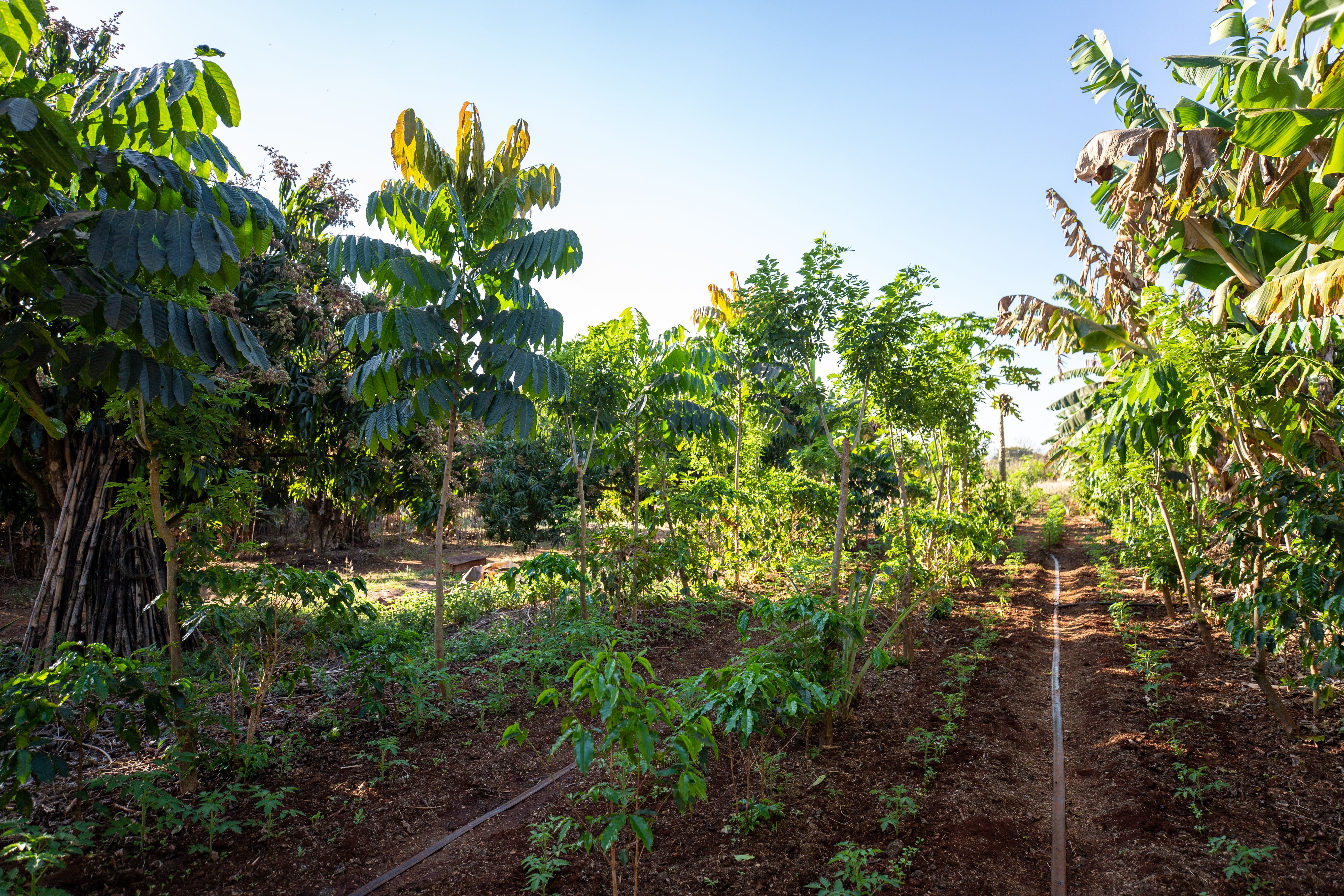
Agroforestry combines agriculture and forestry to create more diverse, productive, and sustainable land-use systems. By incorporating trees into farming practices, farmers can improve soil quality, increase biodiversity, and enhance carbon sequestration, contributing to climate change mitigation.
Community and Economic Benefits
Adopting regenerative agriculture in the Middle East can provide numerous community and economic benefits. By improving soil health and water management, farmers can increase their yields and income. Moreover, these practices can empower local communities by creating jobs, enhancing food security, and promoting sustainable rural development.
In conclusion, regenerative agriculture offers a comprehensive solution to the challenges faced by farmers in the Middle East. By focusing on soil health, water management, and biodiversity, it fosters sustainable agricultural practices that benefit both the environment and the community. Embracing these strategies can lead to a more resilient and prosperous future for the region.